


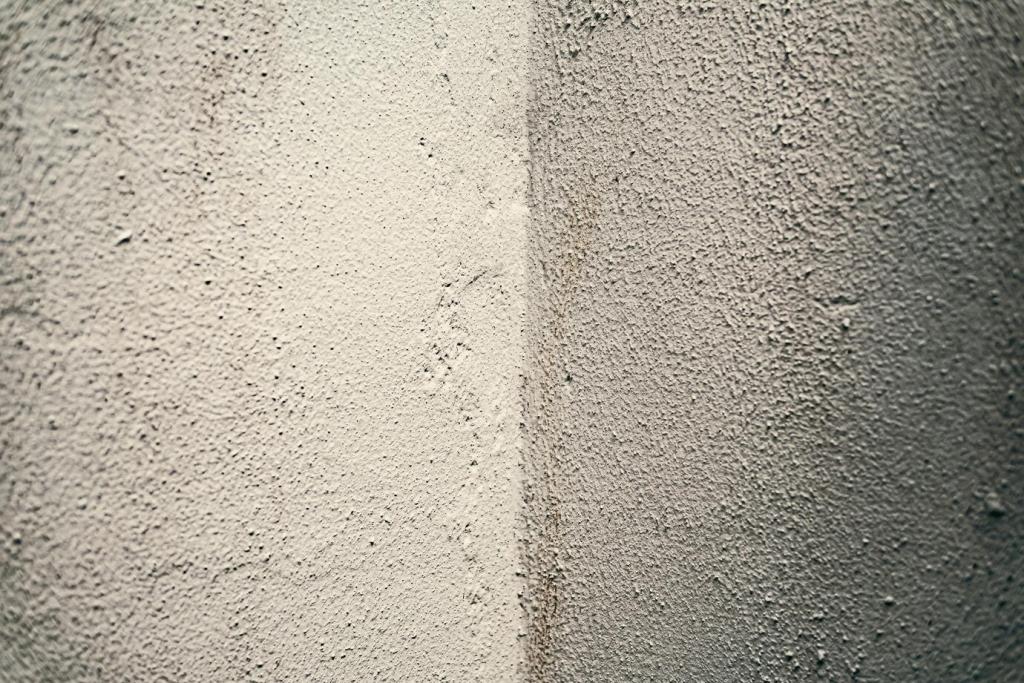
Color Palettes for Minimalist Rooms

Today’s chosen theme: Color Palettes for Minimalist Rooms. Explore calm, cohesive schemes that reduce visual noise, amplify light, and make every object feel intentional. Subscribe for weekly palette ideas, real-life makeovers, and simple color strategies tailored to minimalist living.

Why Minimalism Loves Subtle Color

Start with layered neutrals—soft white, warm ivory, greige, and pale taupe—to establish a quiet base. Subtle undertones matter: a touch of pink can add warmth, while a hint of green cools sunlit rooms. Tell us which neutral feels most at home to you.

Why Minimalism Loves Subtle Color

Instead of harsh black-and-white, choose off-black, charcoal, or mushroom to soften contrast. Pair matte paint with textured textiles to add depth without clutter. Your eye rests, details shine, and the room feels intentional. Comment with your preferred low-contrast pairing.

Monochrome, Not Monotone

Layering Tints, Tones, and Shades

Pick one hue—say, clay—and vary it across pale blush, mid terracotta, and deep russet. Combine matte walls, satin cabinetry, and natural textiles for texture-based contrast. The palette stays quiet, yet the room develops dimension and gentle rhythm.

Micro-Accents Within a Single Hue

Keep the palette unified by adding micro-accents that remain in the same color family: a darker throw, slightly lighter rug, and mid-tone artwork. These tiny shifts keep interest alive without breaking minimalist harmony or inviting visual clutter.

Story: The All-Blue Reading Nook

A reader painted walls misty blue, chose slate cushions, and added an indigo vase. The space felt cohesive, restful, and airy. She said her reading time doubled in a week. Share your monochrome corner and what changed for you.

The One-Accent Rule

Choosing a Muted Accent

Opt for softened hues—dusty sage, muted terracotta, inky navy, or smoky plum. These accents deliver personality without shouting. Test swatches near your key furnishings; undertones in wood and stone can shift how an accent reads throughout the day.

Right-Sizing Visual Weight

Scale the accent so it whispers, not shouts: a single chair, small artwork, or a sculptural lamp. Keep the rest neutral so the accent feels curated. When in doubt, reduce size and saturation to preserve minimalist composure.

Swap-Friendly Palette Planning

Design a neutral base so accents can rotate seasonally. Changing pillow covers, a throw, or a single vase refreshes energy without repainting. Share your favorite accent swap for spring or winter, and help others build adaptable, minimalist color systems.

Light, Shadow, and Undertones

Northern light runs cool and can gray out colors, so choose warmer neutrals to avoid sterility. Southern light warms most hues; cool-leaning neutrals help balance. Track how tones shift from morning to afternoon, and share your daylight discoveries.

Light, Shadow, and Undertones

Warmer bulbs around 2700–3000K soften whites and deepen beiges, while cooler bulbs can make creams feel stark. Test bulbs with your paint chips and fabrics at night. Comment with your favorite bulb temperature for cozy, minimalist evenings.

Materials Are Part of the Palette

Oak, ash, and maple add soft honey warmth that pairs beautifully with ivory and greige. Walnut and smoked oak skew cooler and moodier. Sealants can alter color significantly; test finish samples beside your wall paint and flooring before installing.

Materials Are Part of the Palette

Marble veining, limestone speckle, and concrete’s blue or brown cast shape the room’s mood. Choose stones whose undertones match your paint. If your concrete leans blue, counterbalance with warmer textiles to keep the palette serene rather than chilly.


Low-Contrast Value Mapping

Keep adjacent surfaces within a narrow value range so edges soften and the eye glides. A pale greige wall, slightly deeper rug, and matching curtains can expand perceived space. Tell us which low-contrast combination felt most spacious in your home.

Color-Matched Storage

Match shelving and storage fronts to the wall color to reduce visual breaks. Fewer contrasting lines equal calmer rooms. Use identical boxes or baskets in a coordinating tone to conceal necessities. Share your best hidden-storage color trick with readers.

Case Study: The 300-Square-Foot Reset

One renter unified walls, trim, and shelves in soft ivory, then added one moss accent cushion. The apartment felt brighter, taller, and tidier overnight. She donated mismatched items and never looked back. What single change most transformed your small space?

Palette Recipes to Try Now

01

Warm Minimal Greige

Walls in creamy greige, trim in soft ivory, textiles in oat and sand, with a walnut accent. Works beautifully in cooler climates. Add a single terracotta vase for gentle warmth without disturbing minimalist clarity or overwhelming the senses.
02

Scandinavian Soft Contrast

Cloud white walls, pale oak floors, charcoal textile accents, and matte black hardware. The palette stays airy while offering quiet definition. Use linen curtains to diffuse daylight and keep edges soft. Share photos if you try this crisp, calm approach.
03

Coastal Calm Monochrome

Misty blue walls, slate cushions, pale gray rug, and chalky ceramic accessories for texture. Keep metals brushed or white to maintain lightness. Perfect for bedrooms or reading corners that need serenity, focus, and a steady, minimalist heartbeat.

Sustainable, Timeless Choices

Select low or zero VOC paints to keep indoor air fresher, especially in compact, minimalist rooms. Neutral palettes often require larger painted surfaces, so healthier formulas matter. Comment with your preferred eco paint brands and why you trust them.

Sustainable, Timeless Choices

A coherent palette helps you resist impulse buys that fragment the room. Invest in durable basics that echo your core colors, then layer small accents seasonally. Share one item you skipped because it didn’t match, and how good that restraint felt.
Selinavalexonone
Privacy Overview

This website uses cookies so that we can provide you with the best user experience possible. Cookie information is stored in your browser and performs functions such as recognising you when you return to our website and helping our team to understand which sections of the website you find most interesting and useful.